
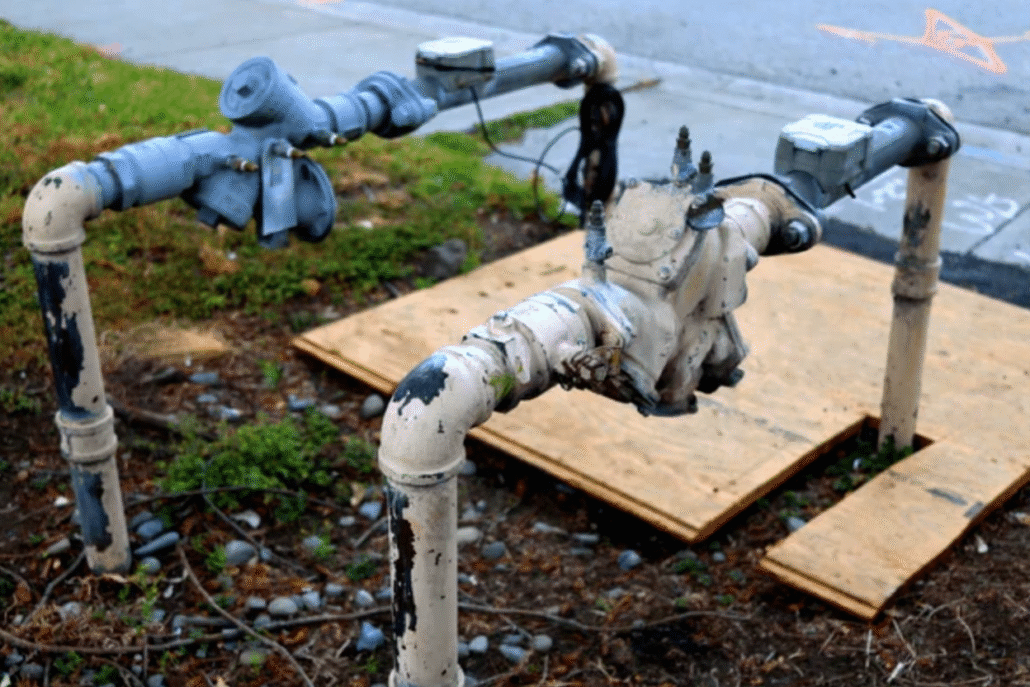
TL;DR: When Code Requires a Backflow Preventer Device
Is a backflow preventer required by code? In most cases, yes. Local plumbing codes mandate these devices to protect your drinking water from contamination. Here’s what you need to know about compliance and enforcement.
- Learn when a backflow preventer device is required by local and state plumbing codes.
- Understand who enforces backflow prevention requirements and what triggers an inspection.
- Discover which properties need protection based on hazard level and connection type.
- Find out what happens if you ignore the code and skip installation or testing.
- See how to stay compliant with annual testing and avoid fines or water shutoff.
Know the rules, protect your water, and keep your property up to code.
Building codes exist for a reason. When it comes to your water supply, a backflow preventer device stands between clean drinking water and potential contamination. Most municipalities don’t leave this to chance—they write it into law.
Let’s break down when a backflow preventer is required by code, who enforces it, and what you risk by ignoring the rules.
Why Plumbing Codes Require Backflow Prevention Devices
Clean water isn’t optional. It’s a public health issue. That’s why plumbing codes across the country require backflow prevention at specific connection points. The goal is simple: stop contaminated water from flowing backward into the municipal supply.
A single cross-connection without protection can affect an entire neighborhood. Imagine fertilizer from an irrigation system or chemicals from a commercial cleaning operation reaching the main water line. One pressure drop is all it takes.
Code requirements exist because voluntary compliance doesn’t work at scale. When public health is at stake, regulations fill the gap. Your backflow preventer device isn’t just protecting your home—it’s protecting everyone downstream.
Federal Guidelines vs. Local Plumbing Codes
The Safe Drinking Water Act sets the foundation at the federal level. It requires public water systems to maintain safe drinking water standards. However, the specifics of backflow prevention fall to state and local authorities.
Most states adopt a version of the International Plumbing Code or Uniform Plumbing Code. These model codes include backflow prevention requirements, but local jurisdictions can modify or strengthen them. Your city or county plumbing code is the final word on what’s required at your property.
This means requirements vary by location. What’s mandatory in Chicago might differ from what’s enforced in a small Wisconsin township. Always check with your local water authority or building department for the exact rules in your area.
Which Properties Require a Backflow Preventer by Code
Not every faucet needs a dedicated device. Code requirements target specific risk points where contamination is most likely.
Residential properties typically need protection on irrigation systems, swimming pool fill lines, and boiler connections. If you have a sprinkler system tied to the municipal supply, you almost certainly need a backflow preventer device installed.
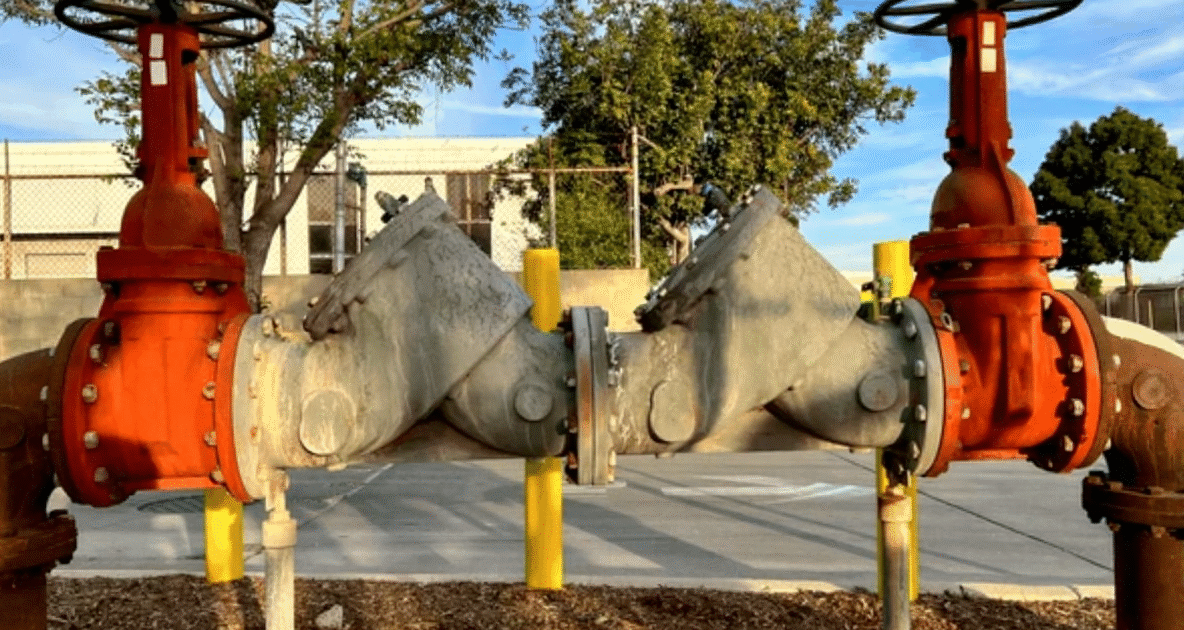
Commercial buildings face stricter requirements. Restaurants, medical facilities, car washes, and manufacturing plants all have high-hazard connections. Fire suppression systems also require protection in most jurisdictions.
New construction triggers automatic compliance. Your building permit won’t close without proper backflow prevention in place. Renovations that add new water connections may also require installation and inspection.
Common Cross-Connections That Trigger Code Requirements
- Lawn irrigation and sprinkler systems
- Fire sprinkler and standpipe connections
- Boilers and radiant heating loops
- Commercial kitchen equipment and dishwashers
- Swimming pools and spa fill lines
- Chemical mixing stations and pressure washers
If your property has any of these connections, assume a backflow preventer is required until you confirm otherwise with local code.
Who Enforces Backflow Prevention Requirements
Enforcement typically falls to the local water utility or health department. They maintain cross-connection control programs that track which properties need devices and whether testing is current.
Many utilities send annual reminders when testing is due. Miss the deadline, and you might receive a warning letter. Continue ignoring it, and they can shut off your water service until you comply.
Building inspectors also play a role during construction and renovation. They verify that the correct backflow preventer device is installed before signing off on permits. Code enforcement officers may investigate complaints or conduct random inspections in some areas.
What Happens If You Don’t Comply with Backflow Code
Skipping installation or testing isn’t worth the risk. Consequences range from inconvenient to expensive.
Fines vary by jurisdiction but can reach several hundred dollars per violation. Some areas assess daily penalties until you come into compliance.
Water shutoff is the ultimate enforcement tool. Utilities have the authority to disconnect service if you refuse to install required devices or submit testing documentation.
Liability extends beyond fines. If contamination traces back to your property, you could face lawsuits, cleanup costs, and even criminal charges in extreme cases.
Insurance issues may also arise. Some policies exclude coverage for damage caused by code violations. A contamination event could leave you personally responsible for costs that would otherwise be covered.<
Real Consequences Property Owners Have Faced
- Water service disconnected until device installed
- Fines exceeding $500 for missed testing deadlines
- Denied occupancy permits on new construction
- Required retrofit during property sale inspections
- Legal action following contamination incidents
Annual Testing Requirements and Certified Testers
Installation is only the first step. Most codes require annual testing by a certified backflow tester. The test confirms that the internal valves and seals continue to function correctly under pressure.
Testers must hold certification from an approved program. They submit results directly to the water utility or cross-connection control office. You should receive a copy for your records and keep it accessible for future reference.
Some jurisdictions require more frequent testing for high-hazard connections. Others mandate testing after any repair or replacement. Know your local schedule and mark the calendar.
How to Find a Certified Backflow Tester
Your water utility often maintains a list of approved testers. Plumbing contractors with backflow certification can handle both repairs and testing. Always verify credentials before hiring—an uncertified test won’t satisfy code requirements.
Contact us for certified backflow testing and inspection services to stay compliant year-round.
Cost of Compliance vs. Cost of Violations
Annual testing runs between $50 and $150, depending on device type and location. Compare that to potential fines, water shutoff fees, and reconnection charges. Compliance is the cheaper option every time.
Stay Ahead of Code Requirements and Protect Your Water
A backflow preventer device does more than satisfy a code requirement. It protects your drinking water and shields you from liability. Know what your local code demands, install the right device, and schedule annual testing without fail.
Don’t wait for a warning letter or a failed inspection to take action. Check your property for cross-connections, verify your device is current, and keep documentation organized. It’s a small investment that prevents major headaches down the road.
Treat code compliance like routine maintenance—handle it now so you never have to think about it later.
Learn more about our backflow installation and inspection services here.





Leave a Reply
Want to join the discussion?Feel free to contribute!